Etosha Self-Drive Safari Guide
Yes — Etosha is made for self-drive. In the dry season (May–October) an ordinary 2WD car is fine on the main gravel roads; a 4×4 is better in the wet season (November–April). No safari experience is needed.
Stay on the roads and in your car outside the camps, keep to 60 km/h on main roads, and be inside a camp before the gates close. Fill up before you enter: the camp pumps at Okaukuejo, Halali and Namutoni have often been dry since 2025.
Can You Self-Drive in Etosha National Park?
Etosha is one of the world’s best self-drive safari parks. Well-maintained gravel roads, clear signposting, and a waterhole system that concentrates wildlife make independent driving accessible and highly rewarding — even for first-time safari visitors.
Is Self-Drive Right for You?
| Factor | Self-Drive Works If… |
|---|---|
| Vehicle | Standard sedan (dry season) or 4×4 (any season) |
| Experience | No previous safari experience needed |
| Navigation | You can follow a park map and GPS |
| Planning | You’re willing to research waterholes and routes |
| Pace | You want flexibility to stop when and where you choose |
What Vehicle Do You Need for Etosha Self-Drive?
- Dry season (May–October): Standard 2WD sedan is fine on main park roads
- Wet season (November–April): 4×4 recommended — some roads become slippery
- Western concession (Dolomite): 4×4 advisable year-round for the approach roads
- Carry a spare tyre — flat tyres on gravel roads are common
- Fuel at camp stations: Okaukuejo, Halali, and Namutoni all have petrol
Speed Limits and Road Rules
- 60 km/h on main park roads
- slow right down near waterholes and picnic sites
- Never exit your vehicle outside camp perimeters
- All vehicles must be inside a camp before gate closing time
- No off-road driving — stick to designated roads only
How Should You Structure Your Game Drive Day?
| Time | Recommended Activity |
|---|---|
| 05:30–05:55 | Wake up, pack water and snacks, drive to gate |
| 06:00–09:30 | Prime morning drive — focus on waterholes near camp |
| 09:30–11:00 | Extended circuit; transition toward second waterhole zone |
| 11:00–14:30 | Return to camp; rest, lunch, midday waterhole session |
| 14:30–17:30 | Afternoon drive; return loop via productive waterholes |
| 17:30 | Back at camp before closing; evening floodlit waterhole |
Waterhole Strategy for Self-Drivers
The single most effective strategy in Etosha: choose a waterhole with fresh animal signs and wait. Driving between empty waterholes is less productive than sitting quietly at a busy one.
Where to stay inside Etosha
Your camp sequence shapes the whole self-drive route.
 Most popular
Okaukuejo
Floodlit waterhole with nightly rhino. Most services. Best first base.
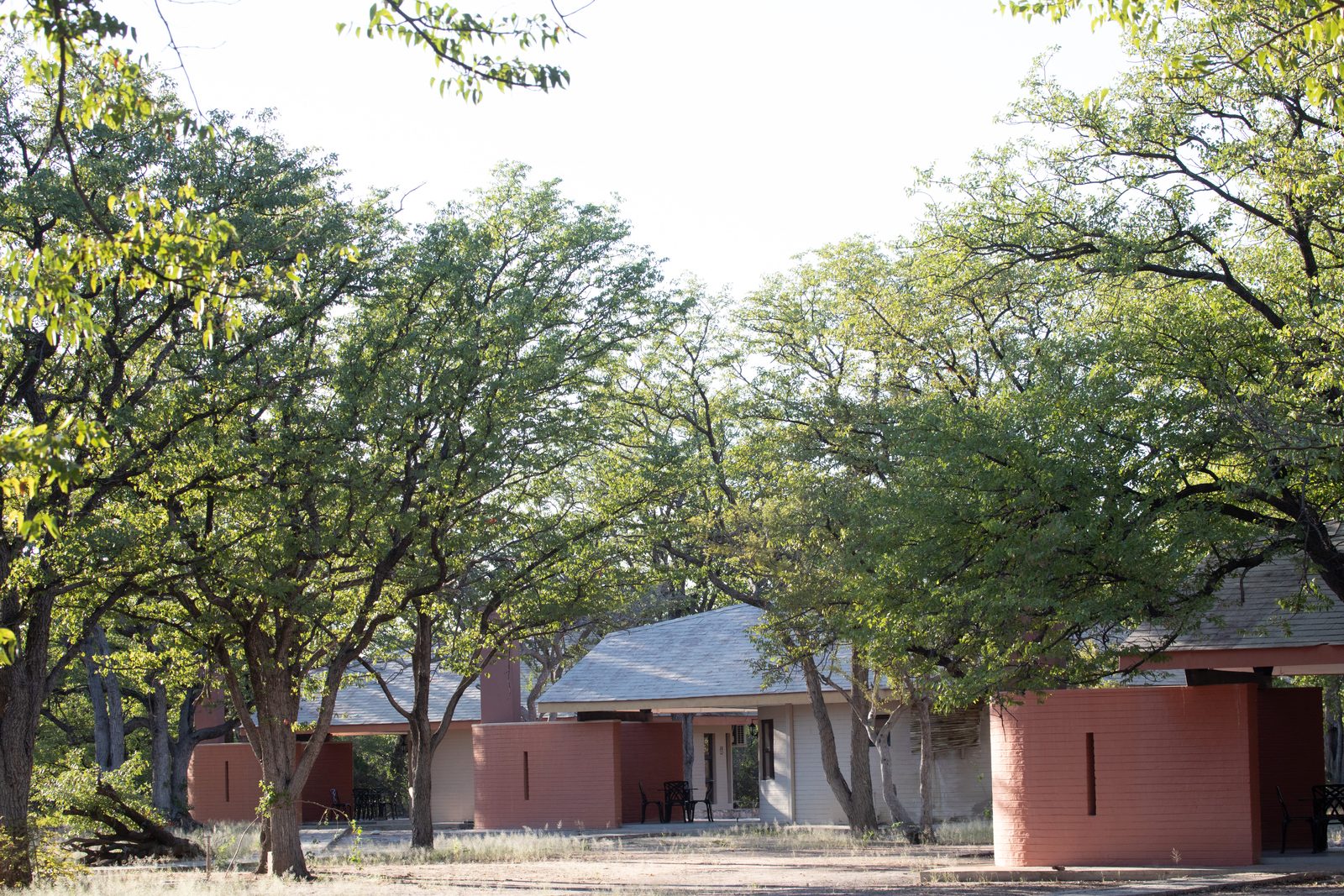
Halali
Quieter, shady, with the Moringa floodlit waterhole. Splits east and west.
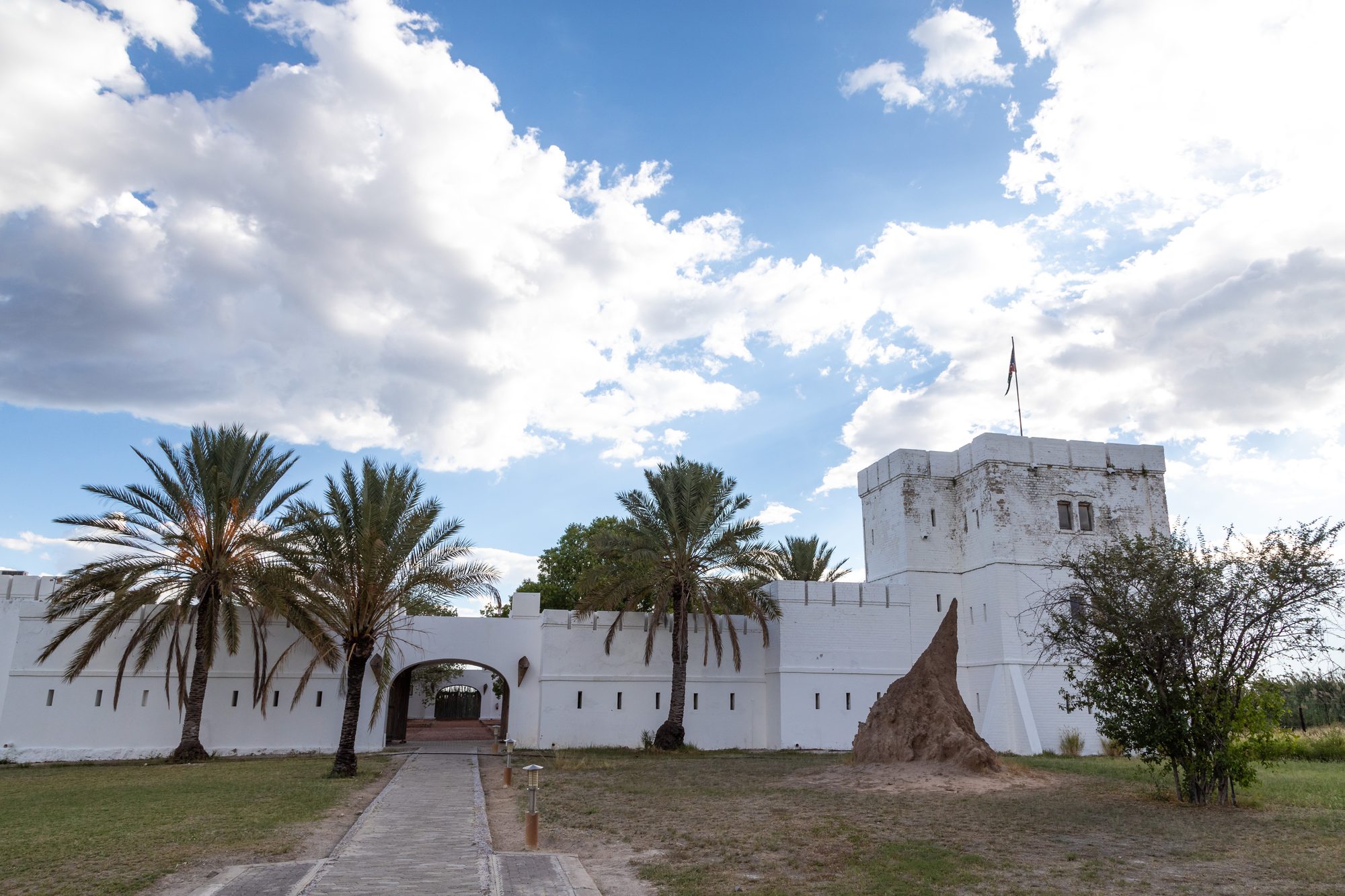
Namutoni
The 1906 fort beside Fischer’s Pan. Birding, leopard and cheetah.
Compare all six camps or send an enquiry for live availability.
Signs of a Productive Waterhole
- Fresh tracks in the mud around the water’s edge
- Bird activity — sandgrouse, doves, and raptors hovering nearby
- Other vehicles already parked and watching
- Dust clouds on approach roads indicating approaching herds
Must-Know Waterholes by Camp
From Okaukuejo
- Salvadora — lion frequent; 22 km
- Ozonjuitji m’Bari — elephant and rhino; 18 km
- Moringa/Ombika — outstanding birding; 28 km
From Halali
- Kapupuhedi — mixed species; 8 km
- Rietfontein — elephant herds; 22 km
- Goas — large groups; 30 km
From Namutoni
- Fischer’s Pan — flamingo (wet season); 7 km
- Chudop — elephant and lion; 18 km
- Klein Namutoni — elephant; 12 km
Packing Essentials
- Water: minimum 5 litres per person per day (Sep–Oct: more)
- Snacks: sufficient for a full day in the field without camp access
- Binoculars: transforms the experience
- Camera and telephoto lens (300mm+ recommended)
- Field guide: birds and mammals of southern Africa
- Sunscreen SPF 50+; sun hat; sunglasses
- Warm layers for early morning drives (Jun–Aug)
- First aid kit; emergency contact numbers
Common Self-Drive Mistakes
- Leaving camp too late — you miss the prime morning window
- Spending too long in transit and not enough time at waterholes
- Not carrying enough water in October heat
- Missing the gate closing time — fines apply and it’s dangerous
- Driving on wet roads in green season without 4×4