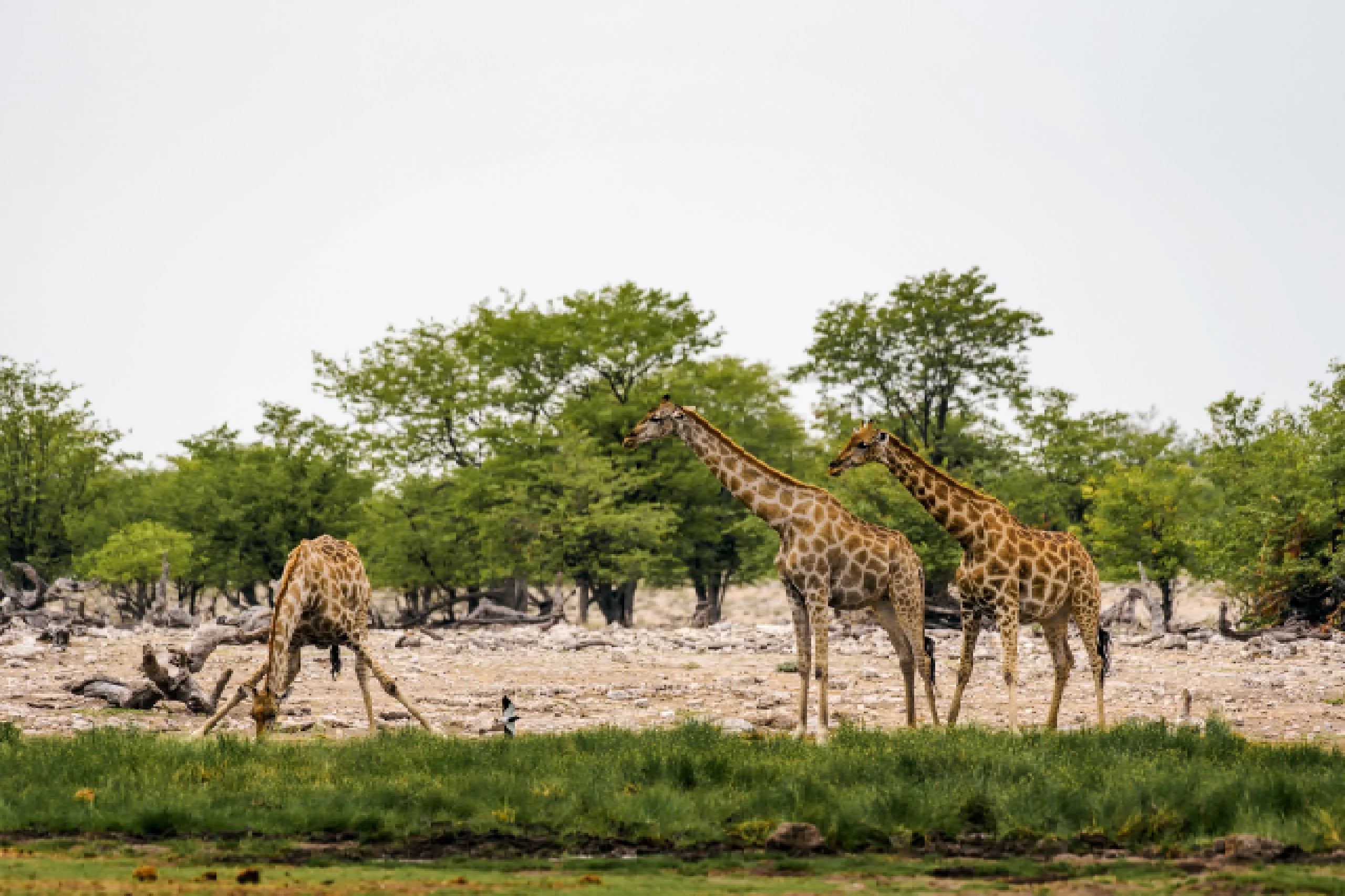
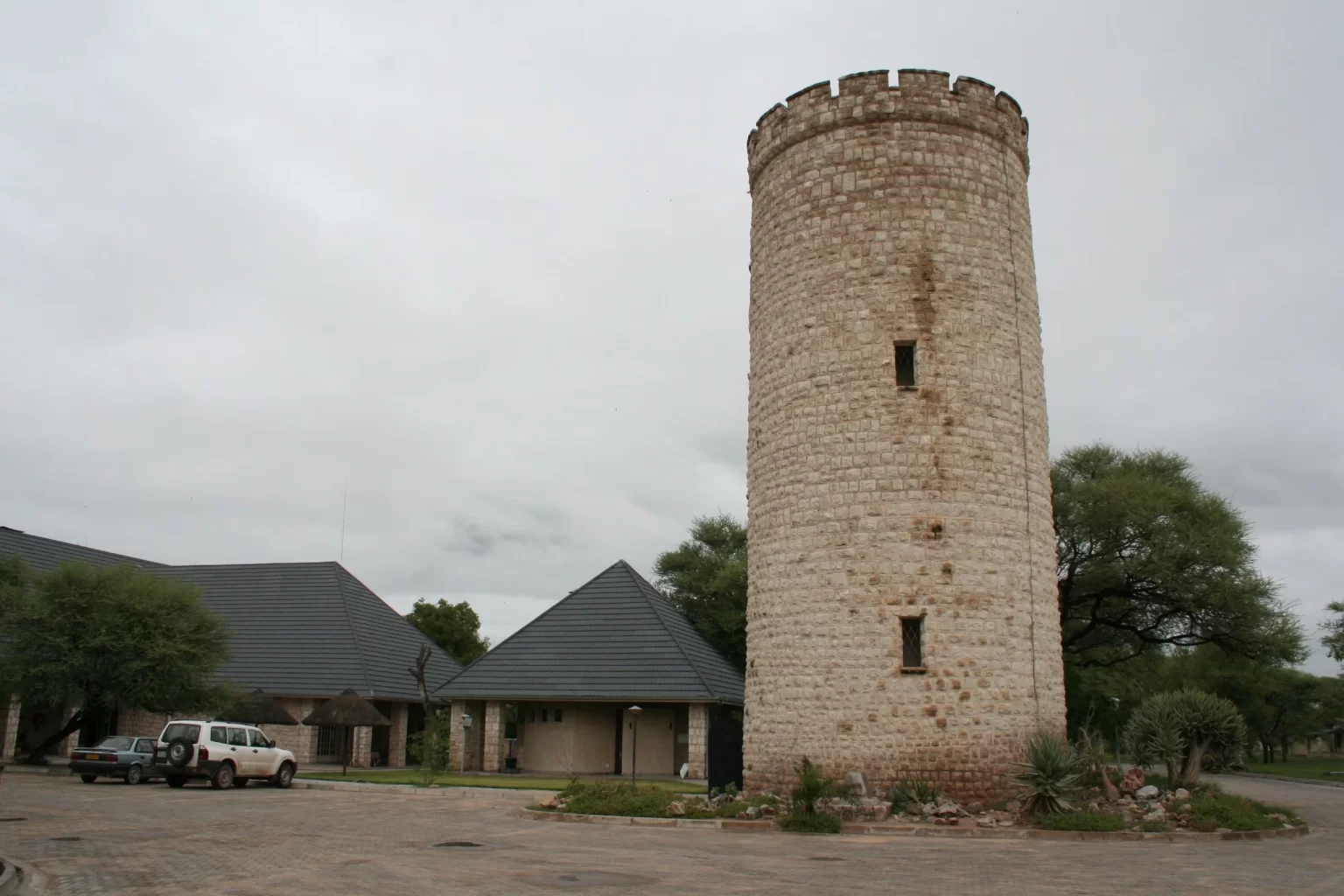
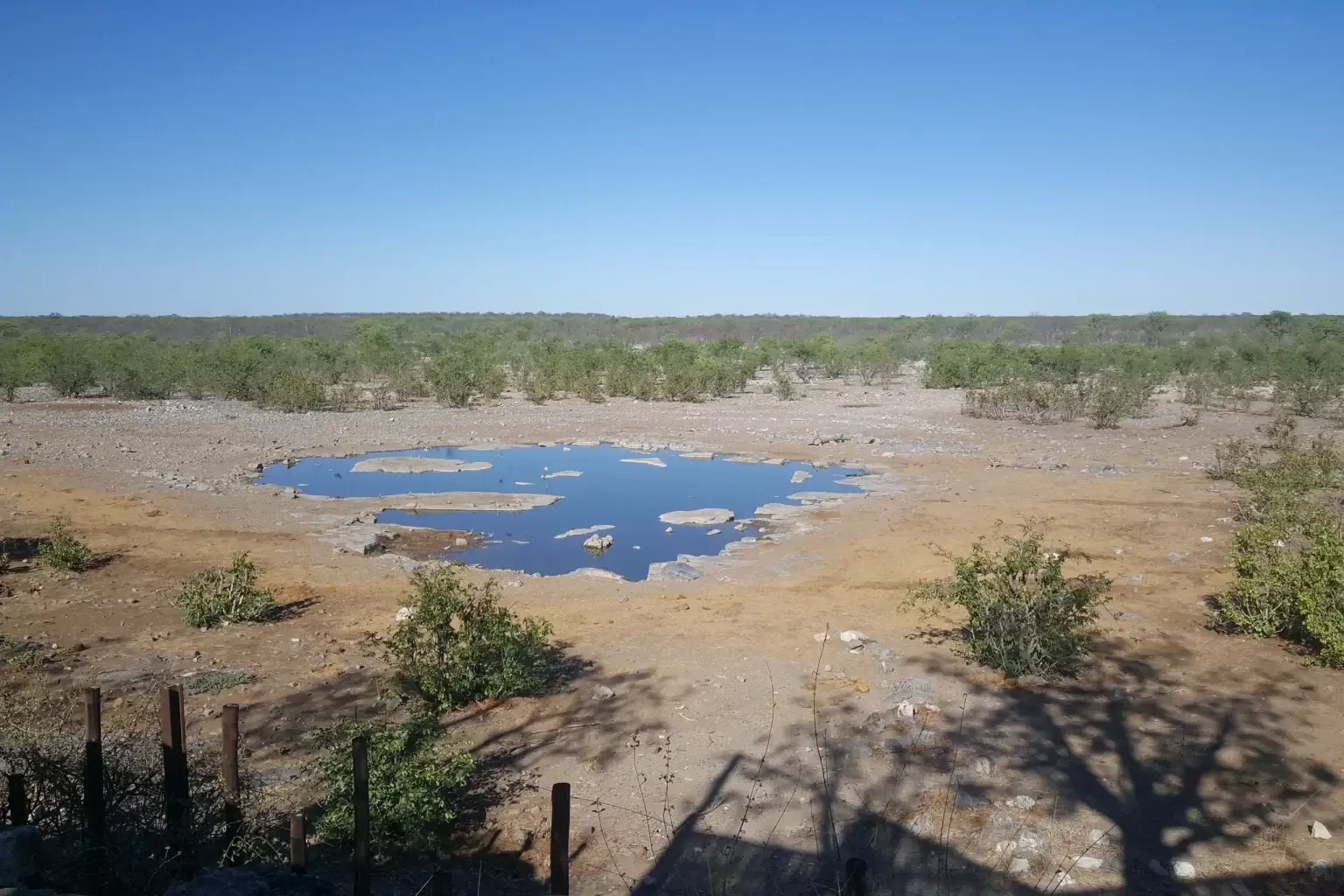
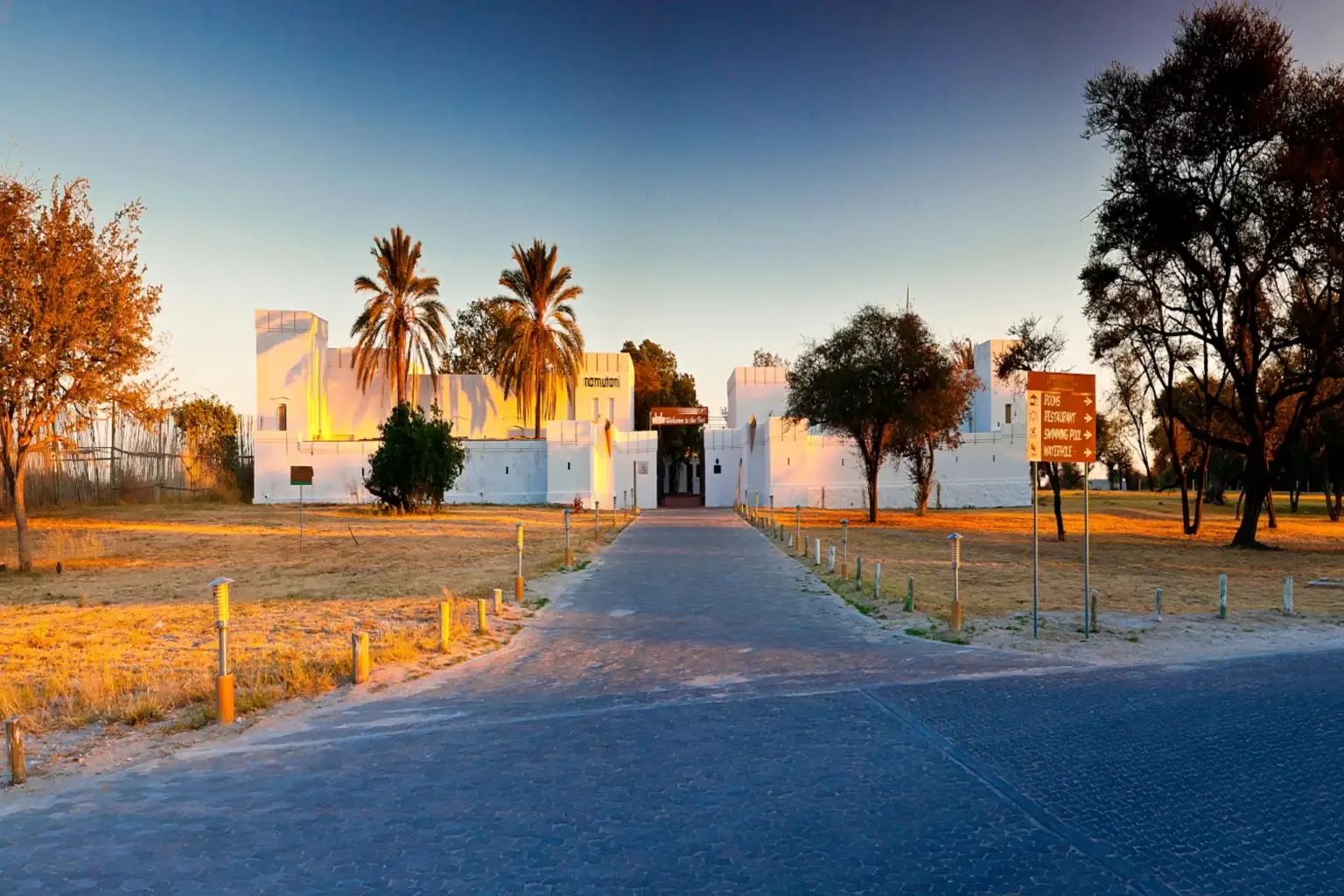
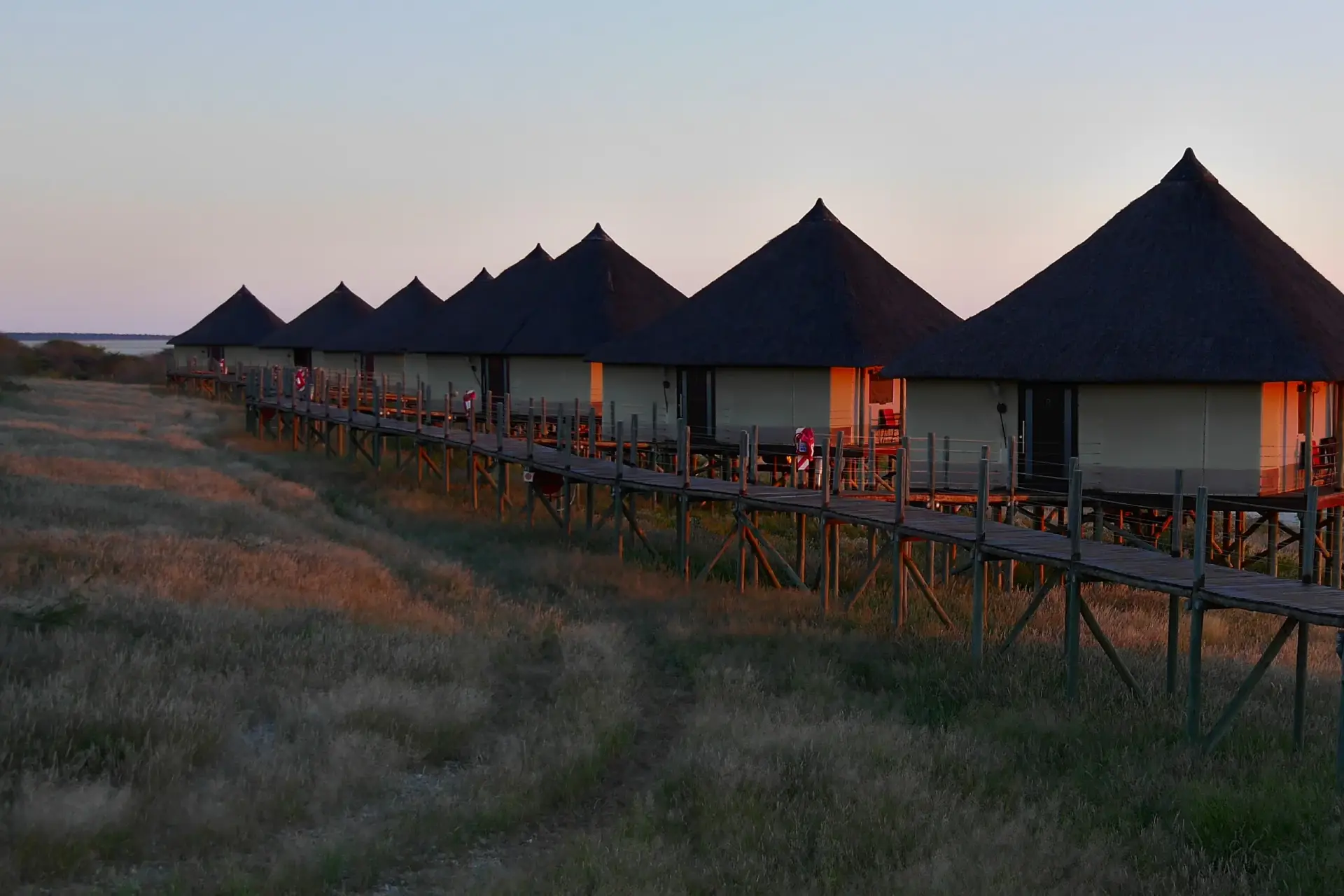
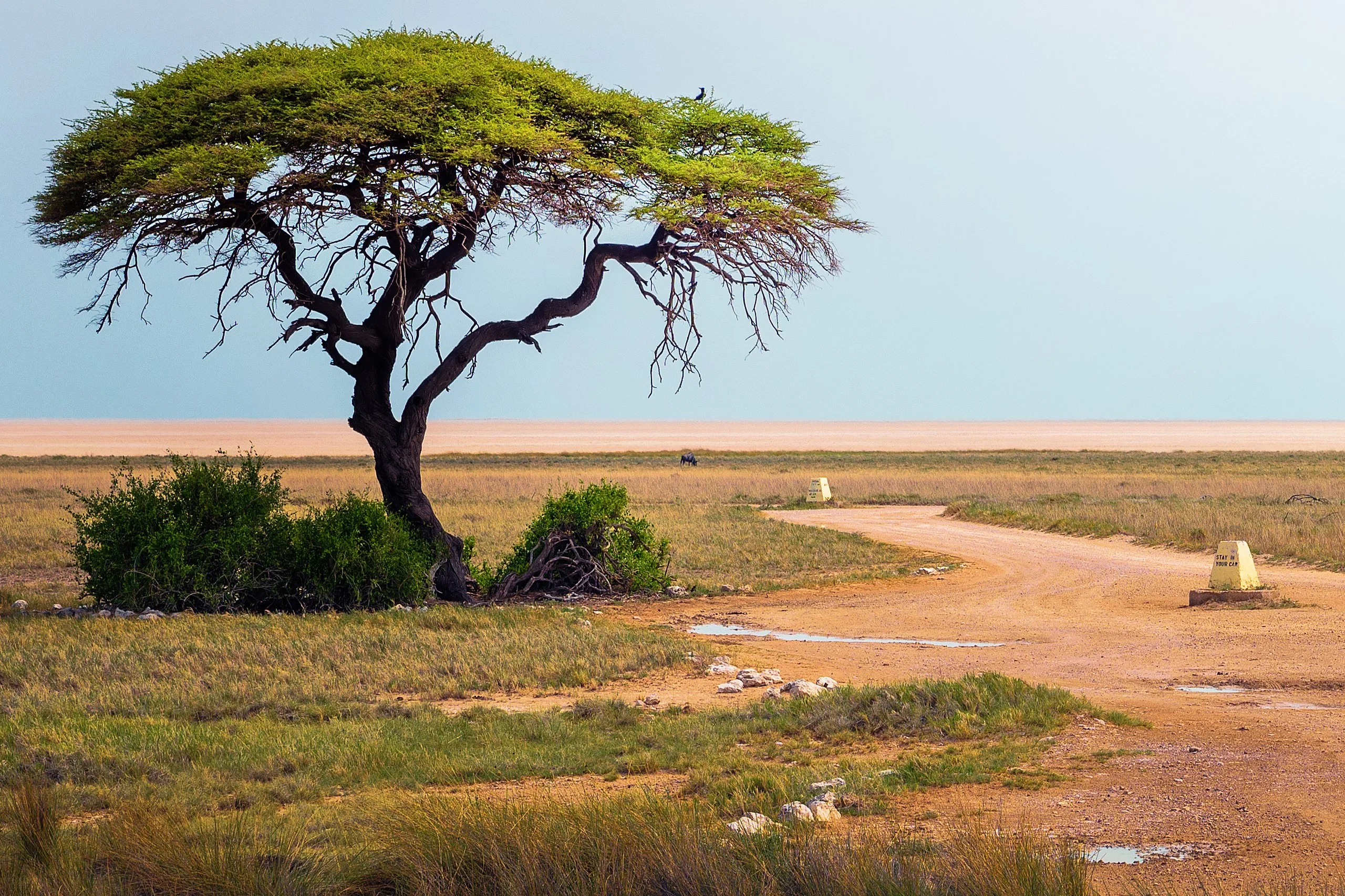
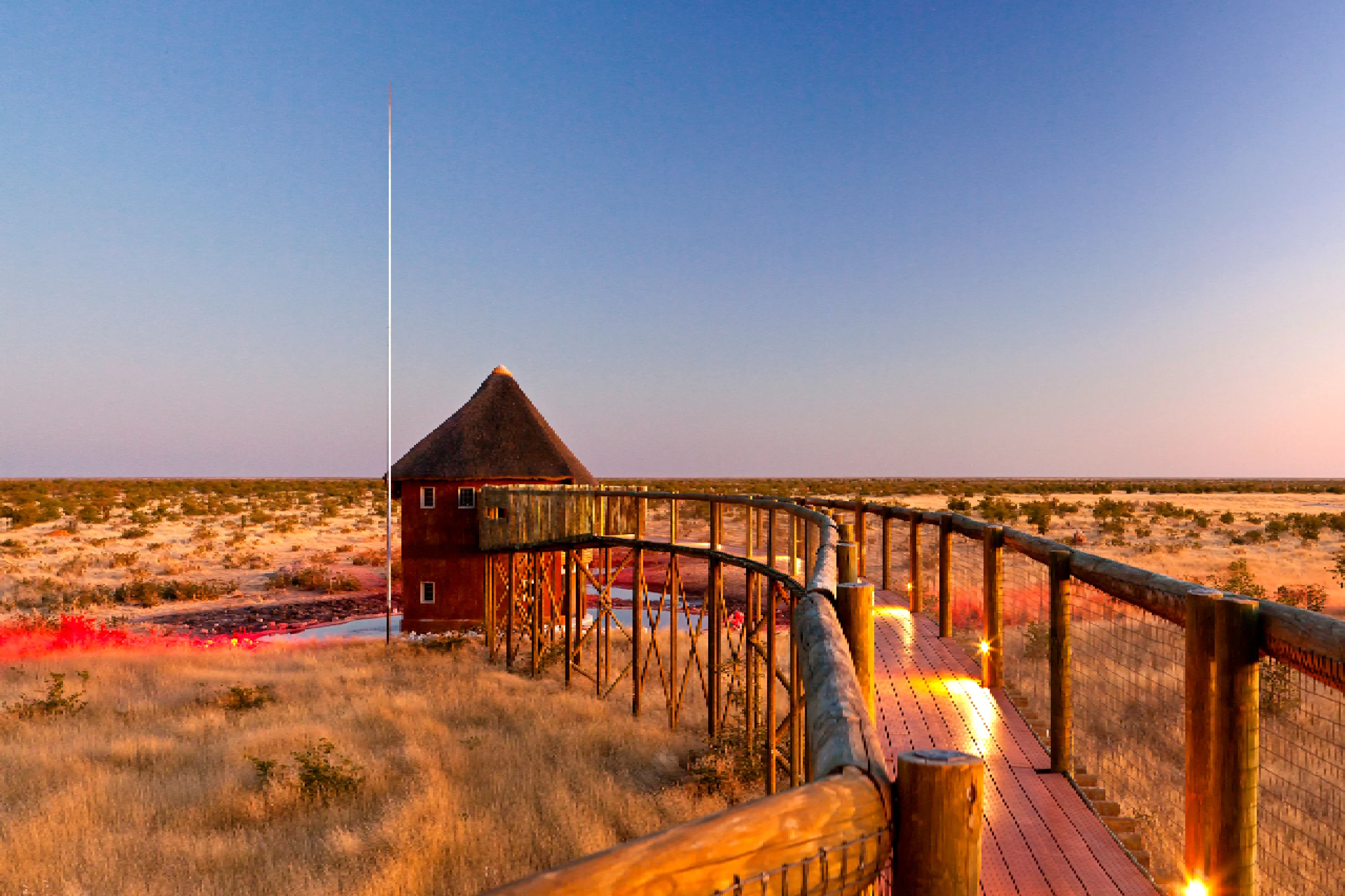
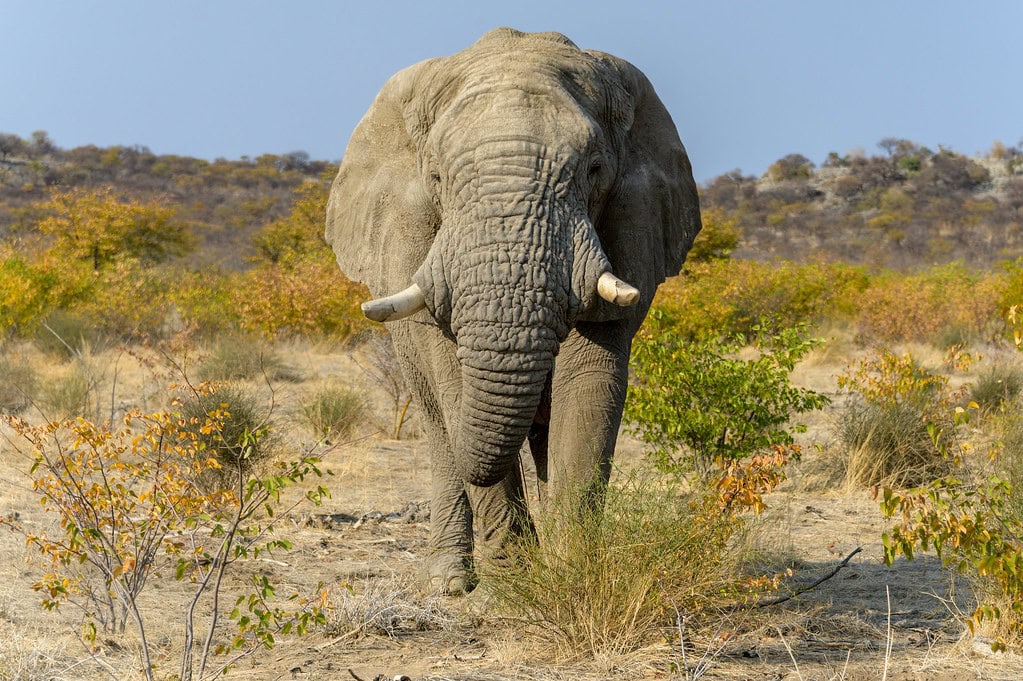
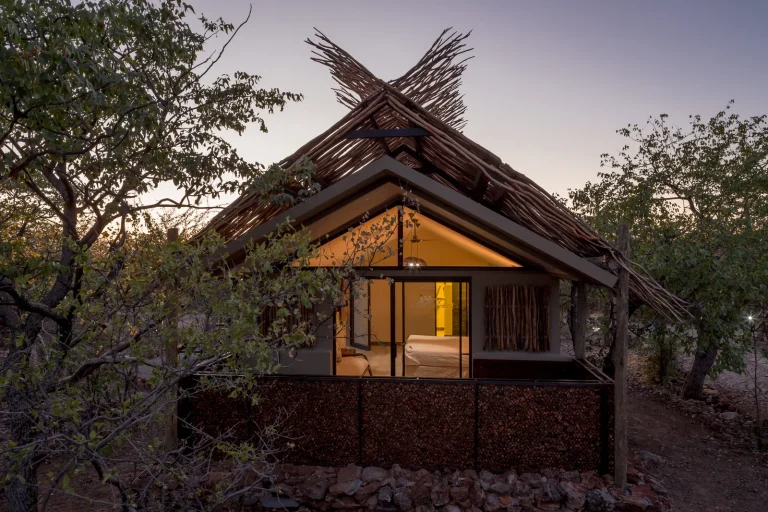
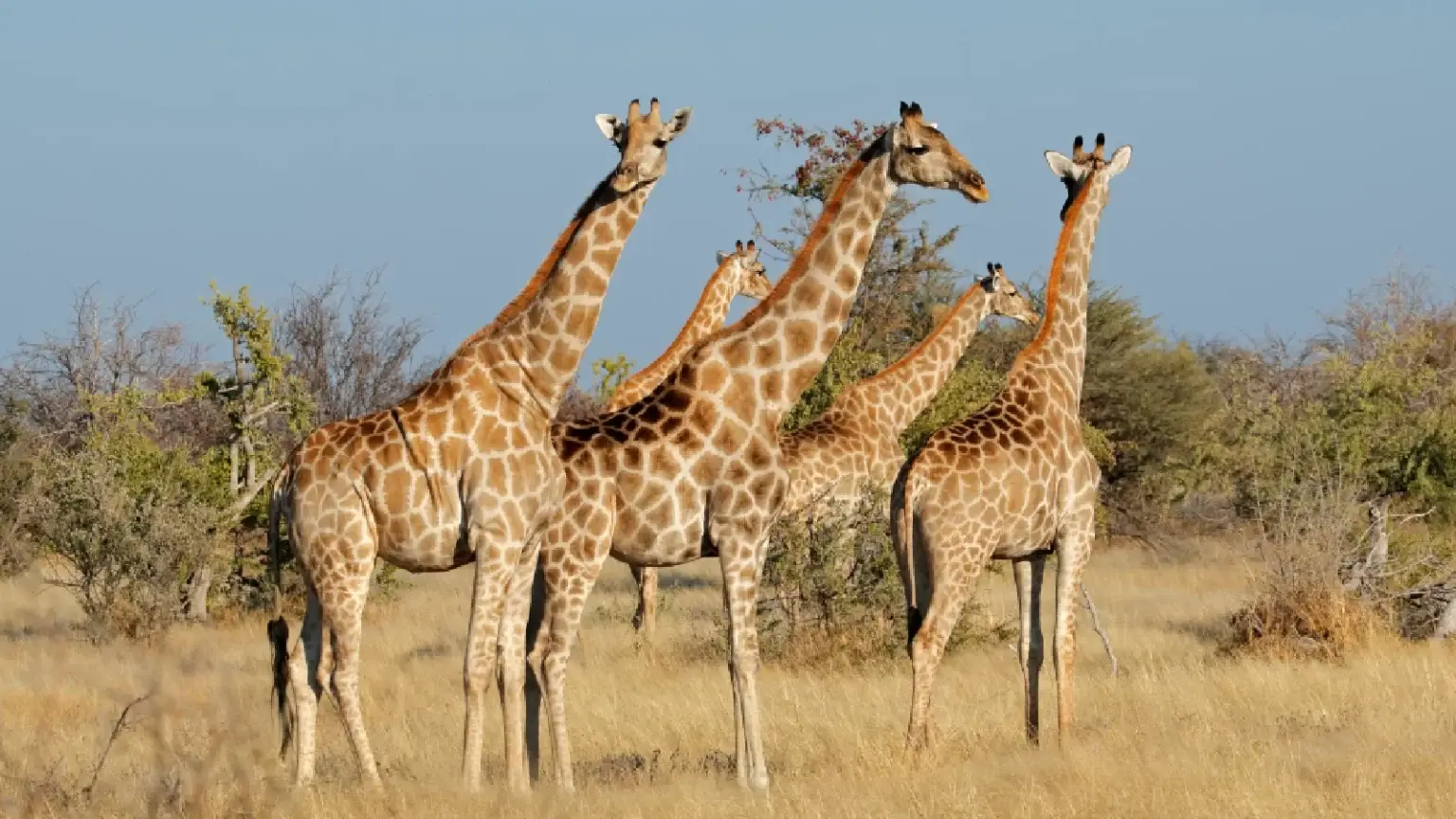
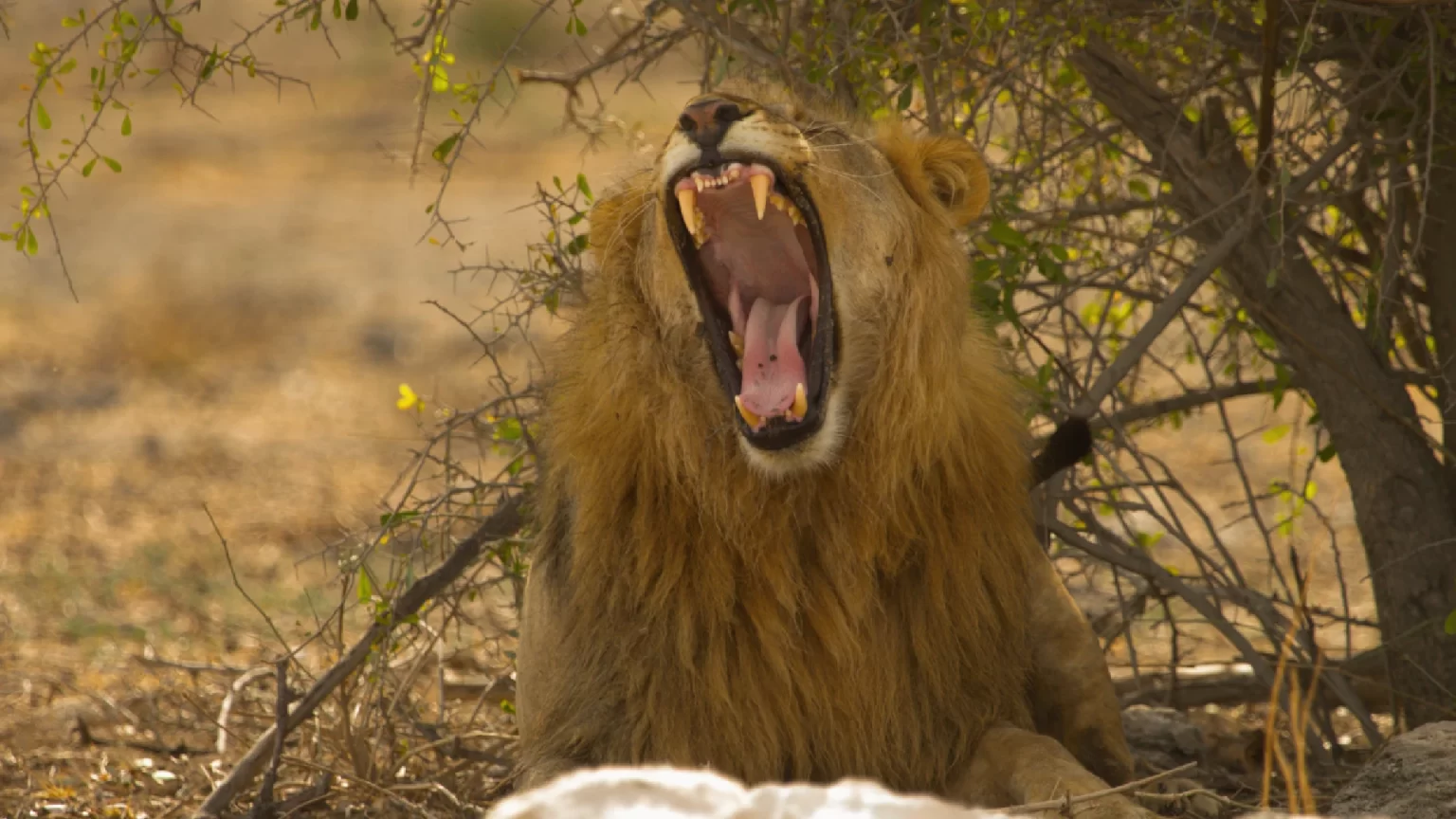
Etosha National Park covers 22,270 km² in northern Namibia — one of Africa's great wildlife reserves, home to an estimated 500+ black rhino, 300-400 lion, ~2,500 elephant, and 340 bird species. Six rest camps operate inside the park (Okaukuejo, Halali, Namutoni, Onkoshi, Olifantsrus, Dolomite) from NAD 510-3,180 per night. Daily entry is NAD 180 per international visitor. Five gates control access. This independent guide compares camps, routes, and seasons so you can plan a trip that matches your dates and budget.
Etosha National Park is Namibia’s flagship safari destination, spanning 22,270 square kilometres of saline desert, savannah and mopane woodland. This independent planning hub helps you compare in-park lodges, gate timings and self-drive routes for an Etosha National Park itinerary that fits your dates, budget and travel style.

From the rest camps at Okaukuejo, Halali and Namutoni to the luxury lodges along the park boundary, every Etosha National Park stay places you within striking distance of the floodlit waterholes and the iconic Etosha Pan. Our team matches travellers to the right Etosha National Park camp combination for the season they are visiting.
Whether you are after a short three-day Etosha National Park introduction or a slower week-long photographic safari, the choices below cover the full park experience — including verified gate fees, wildlife guides and self-drive routes for Etosha National Park.
Etosha National Park safari planning —
one clear plan.
Base camp + route + lodge shortlist — matched to your dates, nights, and budget band.
Where you stay shapes
every drive.
Compare all six in-park camps before you choose your route.
Okaukuejo
Anderson Gate · Iconic WaterholesFrom NAD 650
Halali
Central Position · Morning WaterholesFrom NAD 1,400
Namutoni
Eastern Route · Fort AtmosphereFrom NAD 1,840
Onkoshi
Pan Edge · Privacy & AtmosphereFrom NAD 3,180
Dolomite
Western Ridge · Quiet ZoneFrom NAD 3,180
Olifantsrus
North-West · Overland FeelFrom NAD 510
View all camps
“Plan well and you’ll see more by driving less.”
WHY PLAN WITH US
Why travelers choose
this approach
You are not buying a generic package. You are choosing clear recommendations, real trade-offs, and a route that fits how you actually travel. We keep decision friction low, quality high, and every step transparent before payment.
Clear Recommendations
No generic packages — real trade-offs and a route matched to how you travel.
Expert Local Knowledge
Route, gate timing, and camp sequence matched to your dates and budget.
Fast Response
One clear base + routing suggestion replied within 24 hours.
Transparent Planning
Every step explained before payment. No surprises, no pressure.
From first question
to first drive.
01
Tell Us Your Dates
Share your month, nights in Etosha, and rough budget band. The more we know, the clearer the plan.
02
Receive One Clear Plan
We reply with one clear base camp + routing suggestion within 24 hours — no overwhelming options.
03
Confirm Your Route
Refine the plan until it fits. Once confirmed, we lock in your camp sequence and gate timing.
04
Arrive and Drive
Your route, waterholes, and camp sequence are ready. All you need to do is arrive and enjoy.
Everything you need
to plan your visit.
Etosha in 30 Seconds
Namibia’s most efficient big-game safari: a huge salt pan, a simple road network, and waterholes that concentrate wildlife in predictable places. Plan well and you’ll see more by driving less.
Best Time to Visit
Dry season is the most consistent for wildlife viewing. Green season is quieter and excellent for birds. Choose based on what you want most: sightings, light, or fewer crowds.
Gate Times & Fees
Gate hours shape your whole day — especially self-driving. Confirm official times before setting your camp sequence so you don’t lose hours to avoidable backtracking.
Check gate times and park fees
Inside vs Outside the Park
Staying inside maximises early/late access and reduces driving. Outside gives more lodge options but adds gate-time constraints. This decision most affects your daily pace.
Which Gate to Use?
Choose the gate that matches your first night’s base. The best gate prevents an exhausting first-day drive and positions you for your first morning loop without stress.
Anderson vs Von Lindequist vs King Nehale
Best Camp by Travel Style
Camps create different safari rhythms. Pick a base that fits how you travel — waterhole nights, quiet zones, families, or central coverage without unnecessary driving.
Choose the best camp for your pace
How Many Days?
3 days is the minimum for a first taste. 5 days is the sweet spot for relaxed waterhole time. 7 days is ideal if you want depth without overdriving.
Build your length + camp sequence
Waterhole Strategy
Etosha rewards patience. The best sightings come from committing to fewer waterholes at the right times — not racing between them. Use the guide to plan morning loops by season.
Etosha National Park FAQs
What is the best time of year for wildlife in Etosha?
Dry season is usually the most consistent because animals concentrate at waterholes. Green season can still be excellent — quieter, scenic, and great for birds — with different movement patterns.
Can you self-drive safely in Etosha National Park?
Yes. Etosha is one of Africa’s best self-drive parks if you plan routes, drive patiently around waterholes, and follow park rules. If you prefer fewer decisions, guided trips remove the guesswork.
Should I stay inside the park or outside?
Inside = more game-drive time and better dawn/dusk access. Outside = more lodge choice and sometimes better comfort/value, but you work around gate hours.
How many days do I need?
First-timers: 3 days minimum, 5 days ideal, 7 days if you want a slower pace and deeper coverage across multiple areas.
Should we do a self-drive or a guided safari?
Self-drive gives flexibility and budget control, while guided drives add expert tracking and fewer decisions. Choose based on your comfort with navigation and how much guidance you want.
Where should we stay inside the park?
Most first-timers base at Okaukuejo, Halali, or Namutoni depending on route flow. Use the where to stay guide or all lodges list to shortlist quickly.
Which waterholes are best for wildlife?
This shifts by season, but Okaukuejo and Halali areas are consistently productive. See the Etosha waterhole guide for timing and route logic.
Can you help plan a tailored itinerary?
Yes — share your dates, budget band, and travel style and we’ll suggest the right base plus route. Use Plan My Safari or message us on WhatsApp.
Do gate times and fees change?
They can. Always confirm official gate hours/fees before finalising your route — especially if you’re self-driving.
Want one clear recommendation?
WhatsApp us your dates + nights + rough budget band and we’ll reply with a simple base + routing suggestion.
Ready when you are.
Tell us what matters most and we will shape the right Etosha-first journey.
Plan your Etosha National Park trip
Planning basics
- Best time to visit (month-by-month)
- Gate times & fees
- Inside vs outside accommodation
- Which gate should you use?
- Etosha overview (start here)
Where to stay
Waterholes & strategy
More About Etosha
Explore Etosha National Park
Accommodation
- Okaukuejo Resort
- Halali Resort
- Namutoni Resort
- Onkoshi Resort
- Dolomite Camp
- Olifantsrus Camp
- All Accommodation →
Wildlife
Plan Your Visit
Park Information
Plan Your Etosha National Park Visit
Every Etosha National Park trip starts with two questions — when to go and where to stay. Our day-by-day Etosha National Park itineraries answer both, drawing on local guide knowledge of the park’s seasonal waterhole patterns and gate-by-gate access. Use the planner above for camp combinations tailored to your travel dates.


